

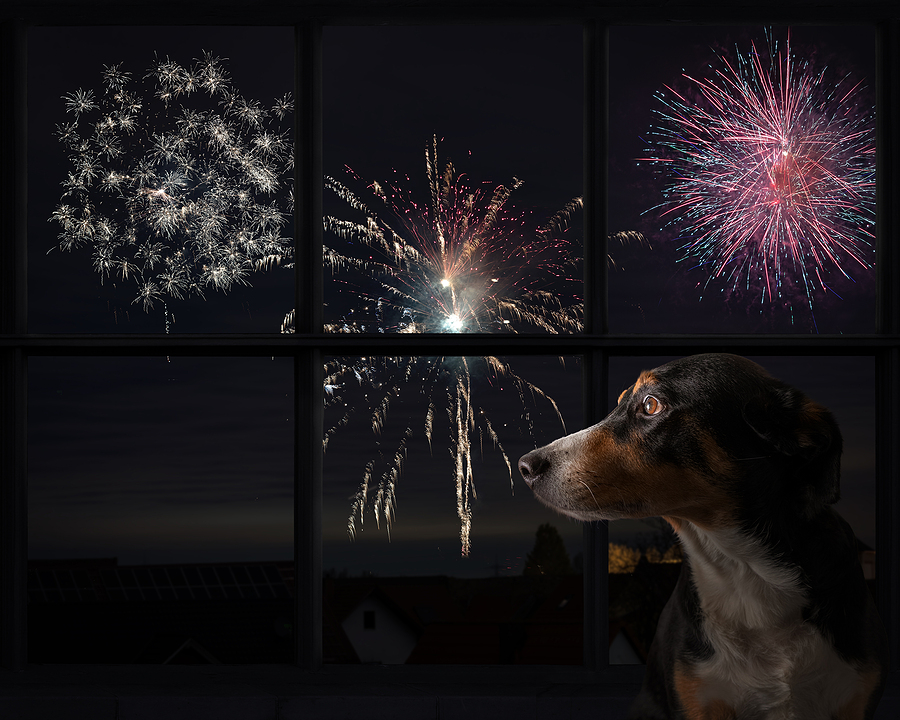
Fireworks season can be difficult for dogs. While some barely notice the noise, others may become frightened by the sudden bangs, bright flashes and unfamiliar sounds.
With Bonfire Night and other autumn celebrations approaching, a little preparation can help make the experience more manageable for your dog.
If your dog becomes unsettled during fireworks, here are some practical ways to help them feel safer and more comfortable.
Why are dogs scared of fireworks?
Fireworks can be unpredictable, loud and startling. Dogs have sensitive hearing, and the sudden changes in noise and light can make it difficult for them to understand what’s happening.
Signs of fear can vary from dog to dog. Your pet might:
- Pace, pant or tremble.
- Whine, bark or become unusually clingy.
- Hide under furniture or in another quiet place.
- Try to escape or become restless.
- Refuse food or show less interest in their usual activities.
Some dogs show only subtle signs of stress, so pay attention to changes in your dog’s normal behaviour.
1. Create a safe, comfortable space
One of the most helpful things you can do is prepare a quiet area where your dog can retreat when fireworks begin.
This could be their usual bed, a familiar room or a cosy den with blankets and favourite toys. Choose somewhere away from windows if possible, and allow your dog to decide whether they want to hide or stay close to you.
Don’t force your dog to remain in a particular spot. The aim is to give them a place where they feel secure.
2. Reduce noise and flashes
Closing windows, curtains and external doors can help reduce the noise and bright flashes from fireworks.
You could also put on the television or play familiar background music at a comfortable volume to help soften sudden sounds.
Make sure your dog still has access to fresh water and a comfortable place to rest.
3. Walk your dog before dark
If you know fireworks are likely in your area, plan your dog’s main walk for earlier in the day.
Keep your dog on a lead when outside, even if they’re normally reliable off-lead. A sudden bang can cause even a confident dog to bolt unexpectedly.
Check your garden gates and fences, make sure your dog is wearing suitable identification, and ensure their microchip details are up to date.
If your dog is already frightened, don’t force them to go outside during fireworks unless necessary.
4. Stay calm and offer reassurance
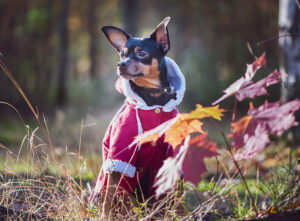 Your dog may look to you for reassurance when they’re frightened.
Speak in a calm, familiar voice and let them come to you if they want comfort. If they prefer to hide somewhere quiet, give them space.
There’s no need to punish barking, hiding or other fear-related behaviour. Instead, focus on making your dog feel safe and avoiding anything that could increase their distress.
5. Keep familiar routines where possible
Unexpected changes can add to an already unsettled evening. Keeping your dog’s usual mealtimes, bedtime and familiar activities can help maintain a sense of normality.
A gentle evening routine might include:
- An earlier walk.
- Their usual dinner.
- Some quiet time with a favourite toy.
- Settling into their familiar bed or safe space.
Offering your dog a favourite treat or chew can help provide a welcome distraction. TopLife Bedtime Milk, made with goats’ milk, chamomile and honey, can be a lovely soothing addition to your dog’s familiar evening routine. Our long-lasting Cheese Bones are another option to keep them occupied while fireworks are going off. Although not a treatment for firework anxiety, treats and chews can be a great way to provide a welcome distraction and help keep your dog occupied during fireworks season.
6. Speak to your vet if your dog is very frightened
If your dog experiences severe distress during fireworks, seek advice from your vet. They can help you explore appropriate options, including behaviour support and whether any additional treatment is suitable.
It’s best to plan ahead rather than wait until your dog is already distressed. For recurring fireworks fear, a qualified behaviourist may also be able to help you develop a longer-term plan.
7. Prepare in advance for Bonfire Night
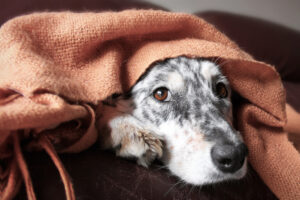 A little planning can make a big difference. Before fireworks season begins:
- Check when local displays are taking place.
- Prepare your dog’s safe space.
- Stock up on familiar food and suitable treats.
- Check your dog’s identification and microchip details.
- Arrange a walk before fireworks are expected.
- Speak to your vet early if your dog has a history of severe fear.
Remember that fireworks can take place on dates other than Bonfire Night, so stay aware of local events throughout the season.
Helping your dog through fireworks season
Every dog responds differently to fireworks, so there’s no single solution that works for every pet. The most important things are to prepare ahead, reduce exposure to frightening sights and sounds, and give your dog the freedom to seek comfort in the way that suits them.
With a safe space, familiar routines and the right support, you can help make fireworks season a little easier for your four-legged friend.
Explore the TopLife range for more ways to make everyday moments with your dog special.