

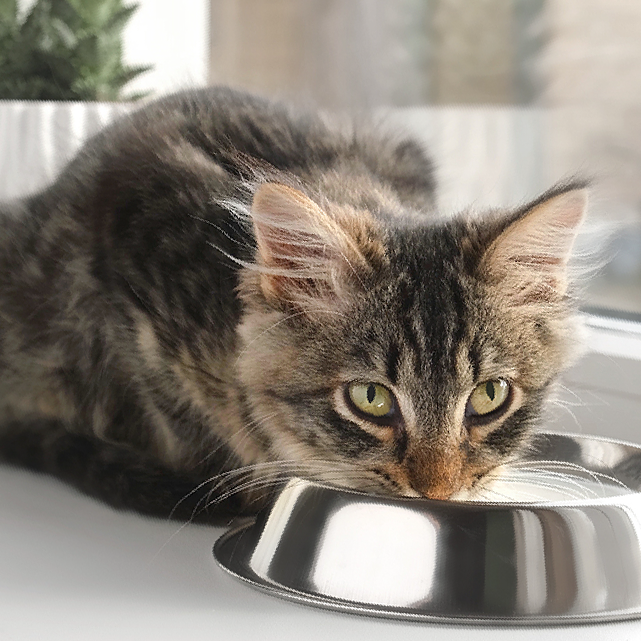
Some cats may tolerate small amounts of ordinary milk, but others can experience digestive upset, particularly with regular cows’ milk.
Cows’ milk contains lactose, a natural sugar that needs to be broken down by an enzyme called lactase. Many cats produce less lactase as they grow up, making lactose harder to digest. This can lead to symptoms such as gas, loose stools or diarrhoea.
Fresh drinking water should always be available, and milk should never replace your cat’s usual food or water.
What is the difference between ordinary milk and lactose reduced cows’ milk?
 Unlike regular cows’ milk, which can be difficult for cats to digest, lactose reduced cows’ milk can be a great way to treat your cat. Reducing the lactose means it’s easier to digest while retaining all the natural goodness and taste of cows’ milk. We’ve added prebiotics to our TopLife milk formulas, to help support the good bacteria in your cats digestive system and it’s a great way to keep your cat hydrated.
More than just a treat, our milk for cats contains added Taurine to maintain healthy eyes and contains no artificial colours, flavours or preservatives.
Lactose reduced cows’ milk is a great way to help keep your cat hydrated which can often be difficult in cats, especially during summer months. You can add a splash of TopLife Milk for Cats to your pet’s dry food or feed on its own as a delicious daily treat – they will love it!
Can kittens drink milk?
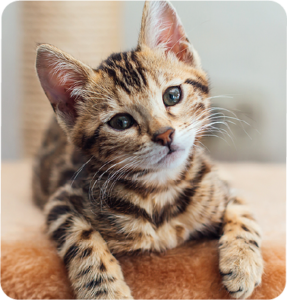 Kittens have different nutritional needs as they grow and gradually transition from their mother’s milk to solid food. During their early weeks, kittens should receive their mother’s milk or an appropriate kitten milk replacer if needed. Ordinary cows’ milk isn’t a suitable substitute.
Once kittens are over 6 weeks old, TopLife Kitten Milk can be introduced as an additional treat alongside an appropriate, balanced kitten diet. Made with lactose-reduced cows’ milk, prebiotics, taurine and vitamins C and E to support their immune system, it’s an option for owners looking to add a little variety to their kitten’s routine.
As with any new addition to your kitten’s diet, introduce it gradually and follow the feeding guidance on the packaging. If you’re caring for a very young or underweight kitten, or have concerns about their nutritional needs, speak to your vet.
How can you serve cat milk?
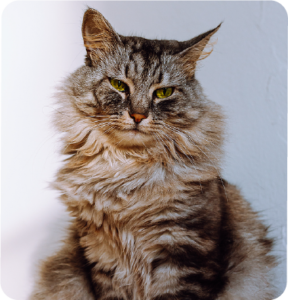 If your cat enjoys milk and tolerates it well, there are several ways to offer a specially formulated milk for cats.
AS A DRINK: Serve an appropriate portion in a clean bowl.
ALONGSIDE THEIR NORMAL FOOD: You can offer cat milk separately from your cat’s regular meal, or as a food topper, following the product’s feeding instructions.
Always follow the product’s storage and feeding instructions, and provide fresh drinking water at all times.
YOU CAN ALSO FREEZE THE MILK into nutritious enrichment treats. We have lots of ideas on our recipe pages.
Can cats have milk every day?
Lactose reduced cows’ milk can be given as a nutritious treat every day, just keep in mind treats and extras should generally account for no more than 10% of a cat’s daily calorie intake, with the rest coming from a complete and balanced diet.
If your cat has a medical condition or follows a prescribed diet, check with your vet before introducing milk.
Discover more about the TopLife Cat & Kitten Milk range.